

The Grief No One Names: Loss and Immigration
Immigration brings new opportunities, but it can also carry a quiet, often unrecognized grief. Leaving behind family, familiar places, cultural identity, and a sense of belonging can create feelings of loss that linger for years. Explore the emotional impact of immigration, the concept of ambiguous loss, and how acknowledging grief, maintaining connections, and seeking culturally sensitive support can help immigrants navigate life between two worlds.

When Being In Your Body Feels Uncomfortable: On Yoga and Learning to Listen When the Body Speaks
Yoga can help ease anxiety, but what happens when connecting with your body feels uncomfortable? Explore how trauma-sensitive yoga encourages body awareness, self-compassion, and personal choice, helping you navigate anxiety, challenge negative body perceptions, and build a healthier relationship with yourself through mindful movement and therapy.

When Slowing Down Makes You Feel Anxious: On Yoga, Trauma and Learning to Be in Your Body
Yoga is often recommended for anxiety and stress, but what happens when slowing down makes you feel more uncomfortable? Explore how trauma, body awareness, and emotional experiences can influence our response to yoga, and discover how trauma-sensitive, mind-body practices can offer a gentler, more personalized path toward healing and self-connection.

Burnout vs. Depression: Do I Need a Vacation, Medication, or a Different Life?
Feeling exhausted even after taking time off? Burnout and depression can share similar symptoms, but understanding their differences is essential. Explore why rest alone may not be enough, how to recognize when emotional exhaustion extends beyond work, and when therapy, medication, or meaningful lifestyle changes may help you reclaim your well-being.

What If You Stopped Pushing Through? Anxiety, Achievement, and the Art of Listening to Yourself
High-achieving professionals often become skilled at pushing through stress, exhaustion, and anxiety—but constantly moving forward can come at a cost. Explore how listening to your body, understanding the deeper patterns behind overworking, and allowing yourself to slow down can help you pursue your ambitions without sacrificing your well-being.

The Anxiety of Not Believing You're Enough: Understanding Imposter Syndrome
Imposter syndrome can leave even highly capable people questioning their success, minimizing their achievements, and fearing they’ll eventually be “found out.” Explore how this hidden form of anxiety can fuel perfectionism, overworking, and self-doubt—and how learning to recognize these patterns can help build a more secure sense of self-worth.

High-Functioning Anxiety: When You’re Successful but Constantly on Edge
High-functioning anxiety can hide behind achievement, productivity, and professional success. Explore how constant worry, perfectionism, overworking, and difficulty resting can keep you feeling on edge—and learn practical ways to create a healthier balance between ambition and well-being.

When Anxiety Started Young: Growing Up Without Safety or Structure
For some people, anxiety begins in childhood, shaped by unpredictability, a lack of structure, or the need to grow up too quickly. Learn how early experiences can influence the nervous system, relationships, and need for control in adulthood—and how therapy can help build a greater sense of safety, stability, and trust.

Anxiety, New Beginnings, and the Courage It Takes to Keep Going
Anxiety can show up in many ways—from persistent worry and sleepless nights to panic attacks and the uncertainty that comes with major life changes. Learn how understanding anxiety, recognizing its patterns, and finding support can help you navigate new beginnings with greater confidence, compassion, and courage.
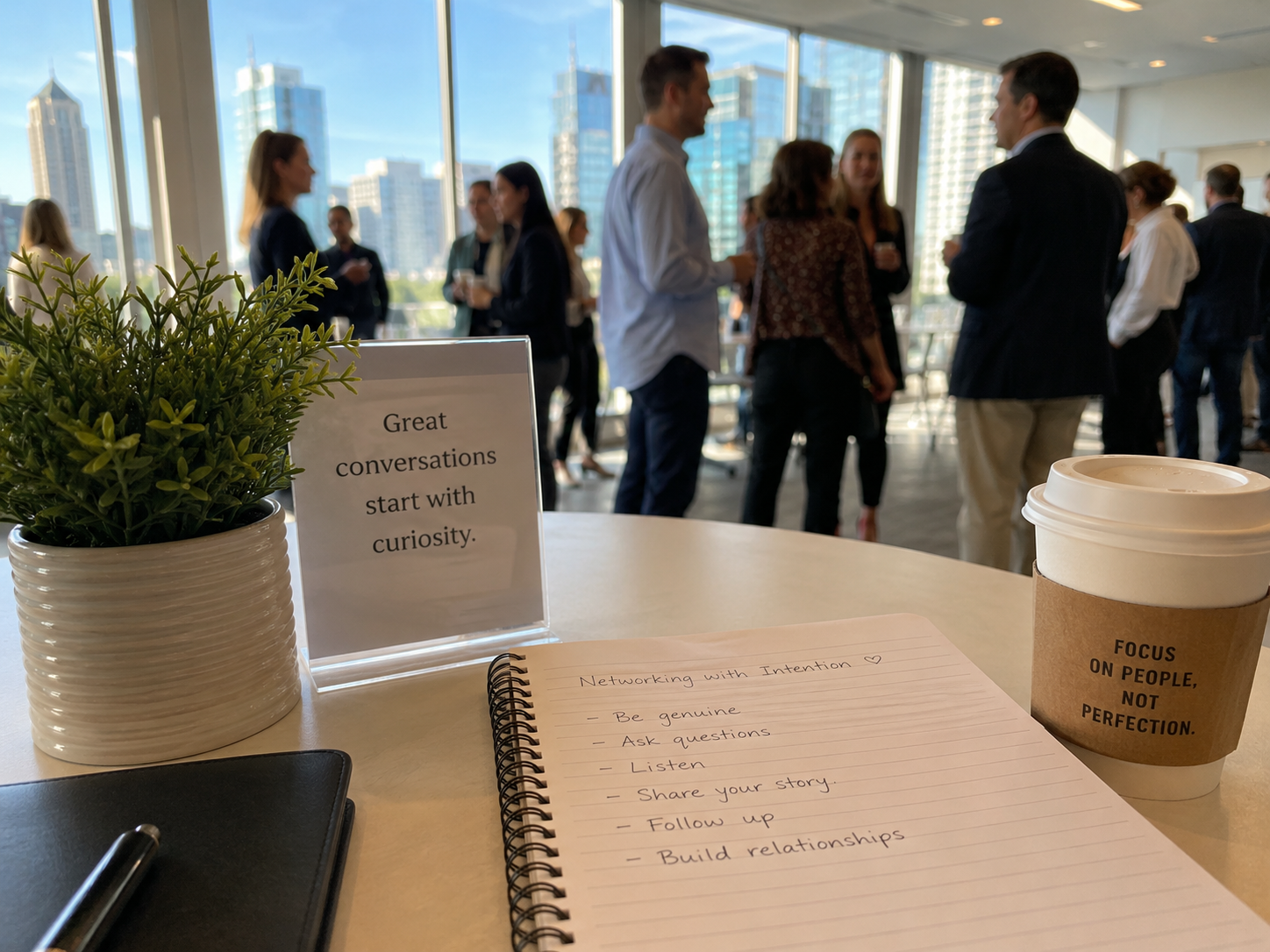
Social Anxiety and Networking: When Connection Feels Like Pressure
Networking can feel overwhelming when social anxiety turns connection into pressure. Learn how fear of judgment, overthinking, and avoidance can make professional interactions difficult, and discover practical ways to manage anxiety, shift your focus from performance to genuine connection, and build confidence one conversation at a time.

When Success Comes with Anxiety: Understanding Panic in High-Performing Professionals
High-performing professionals can appear confident and successful while quietly carrying intense anxiety beneath the surface. This article explores how chronic stress, perfectionism, and constant pressure can contribute to panic, and how understanding these signals can help create a healthier balance between achievement and emotional well-being.

Did you break up and now your world is crashing down? Learn about the attachment styles to help your anxiety in an intimate relationship
Breakups and relationship anxiety can bring our deepest attachment patterns to the surface. Understanding secure, anxious, avoidant, and fearful-avoidant attachment styles can help us replace blame with curiosity, recognize unmet needs, and build healthier, more secure connections with ourselves and others.

The Mirror of Intimacy: Reframing Relationship Anxiety
Why does relationship anxiety often show up most strongly with the people we love? This article explores how intimate relationships can become powerful mirrors for self-awareness, healing, and growth. By reframing anxiety as an invitation rather than a flaw, we can cultivate deeper self-compassion, healthier communication, and more authentic connections with ourselves and our partners.

When the World Feels Uncertain: Understanding the Rise in Anxiety and Panic
In a world filled with uncertainty, rising anxiety is a natural human response, not a personal failure. Learn why chronic stress affects the nervous system, how anxiety and panic can develop, and practical ways to build resilience, restore balance, and care for your mental health during challenging times.
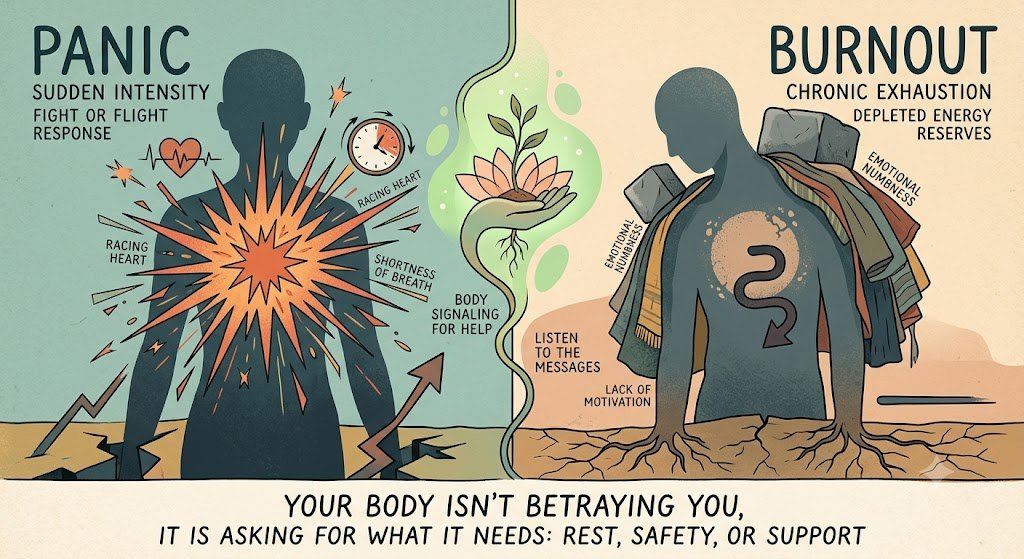
Your Body Isn’t Betraying You: Understanding Panic and Burnout
Panic attacks and burnout can look surprisingly similar, but they tell different stories. While panic often arrives suddenly with intense physical symptoms, burnout develops gradually after prolonged stress and emotional exhaustion. Neither is a sign of weakness. They are your mind and body's way of asking for something essential: rest, safety, support, and the opportunity to heal.

Anxiety or ADHD? Understanding the Similarities and Differences
Difficulty focusing, procrastination, and feeling overwhelmed can be symptoms of both anxiety and ADHD, making it difficult to tell them apart. Learn the key differences between these conditions, why they often occur together, and how understanding the root cause of your symptoms can help you find the right support and treatment.

Understanding Panic Attacks symptoms vs. Anxiety Attacks: A Psychologist's Perspective
Panic attacks and anxiety attacks are often confused, but they are not the same. Understanding the differences is the first step toward finding effective treatment and lasting relief. In this article, a psychologist explains the unique symptoms, causes, and triggers of each, while offering practical insights into managing anxiety, reducing panic, and knowing when to seek professional support. Remember, you do not have to navigate anxiety alone. Seeking help is a sign of strength.

When Success Doesn't Feel Like Enough: The Hidden Anxiety of High Achievement
From the outside, success may look effortless. Yet many high-achieving professionals quietly struggle with anxiety, perfectionism, chronic stress, and the feeling that no accomplishment is ever enough. This article explores the hidden emotional costs of constant striving, the connection between self-worth and achievement, and how therapy can help individuals cultivate a healthier relationship with success, balance, and well-being.

Is It Anger Management or Anxiety in Men? A Path to Healing
Many men struggle with anxiety without realizing it. Instead of appearing worried or fearful, anxiety in men often shows up as irritability, frustration, emotional withdrawal, or anger. This article explores the connection between anxiety and anger, common signs to look for, and practical strategies for managing these emotions in healthier ways. Through self-awareness, support, and counseling, men can learn to better understand their emotional experiences, strengthen relationships, and move toward lasting healing and emotional well-being.

Depression: More Than “Just Feeling Sad”
Depression is far more complex than simply feeling sad. It can affect how we think, feel, connect with others, and navigate daily life, often showing up as exhaustion, irritability, emotional numbness, hopelessness, or a loss of interest in things that once brought meaning and joy. This article explores the many ways depression can manifest, the factors that contribute to it, and why compassionate support is so important. Most importantly, it offers a reminder that depression is treatable, healing is possible, and no one has to face it alone.