
Understanding Anxiety: Symptoms and Cognitive Behavioral Therapy Tips for Managing It
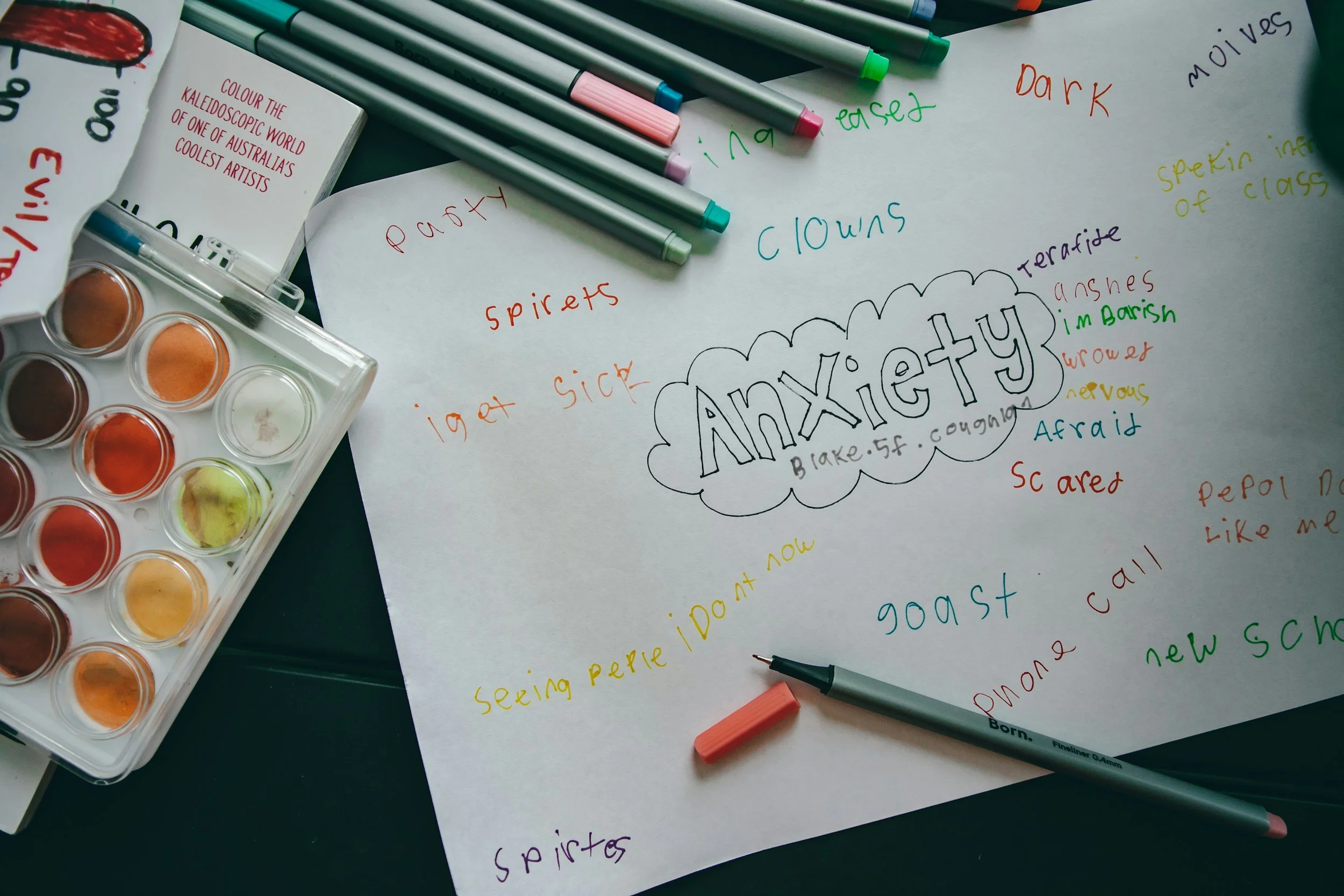
Anxiety is a normal reaction to stress, but when it becomes overwhelming, it can hinder daily activities and diminish your quality of life. This blog explores what anxiety is, identifies common symptoms, and provides insights into Cognitive Behavioral Therapy (CBT) techniques that can help manage anxiety effectively.
What is Anxiety?
Anxiety is characterized by feelings of fear, apprehension, or worry about future events. While it is a normal response to stress, excessive and persistent anxiety may lead to an anxiety disorder, which can interfere with everyday functions, relationships, and overall well-being.
Common Symptoms of Anxiety
Recognizing the symptoms of anxiety is the first step toward managing it. These may vary from person to person but often include:
1. Excessive Worry: Constantly feeling anxious about various situations, even when there is little reason for concern.
2. Restlessness: A sense of being "on edge" or unable to relax.
3. Physical Symptoms: These can include a racing heart, sweating, trembling, fatigue, headaches, and gastrointestinal issues.
4. Difficulty Concentrating: Struggling to focus on tasks or thoughts, often leading to feelings of frustration.
5. Irritability: Increased feelings of frustration or anger, which may affect relationships.
6. Sleep Disturbances: Problems falling asleep, staying asleep, or experiencing restless sleep due to racing thoughts.
Recognizing these symptoms early on is essential for addressing anxiety effectively.
Cognitive Behavioral Therapy (CBT) and How It Helps
Cognitive Behavioral Therapy (CBT) is a structured therapeutic approach that helps individuals identify and change negative thought patterns and behaviors associated with anxiety. Here are some core principles and techniques of CBT useful for managing anxiety:
1. Identifying Negative Thoughts: The first step in CBT involves recognizing unhelpful thoughts that trigger anxiety. Keeping a thought diary can help you pinpoint these thoughts throughout your day.
2. Challenging Cognitive Distortions: Once identified, challenge these negative thoughts by questioning their validity. Are they based on facts, or are they exaggerated fears? This technique helps reframe your thinking.
3. Exposure Therapy: This technique involves gradually facing feared situations or thoughts in a controlled manner. By confronting fears step-by-step, you can reduce avoidance behaviors and lessen anxiety over time.
4. Behavioral Activation: Engage in activities that bring joy or satisfaction to combat feelings of isolation or low mood. Scheduling enjoyable activities can create positive experiences that counter intense anxiety.
5. Breathing Techniques and Relaxation: Incorporating deep-breathing exercises or progressive muscle relaxation can physically reduce anxiety symptoms. Taking slow, deep breaths can help ground you during moments of heightened anxiety.
6. Problem-Solving Skills: Developing effective problem-solving strategies can empower you to deal with stressors and uncertainties more effectively, reducing feelings of helplessness.
7. Mindfulness and Self-Compassion: Practicing mindfulness involves being present without judgment, while self-compassion encourages treating yourself with kindness during tough times. Both can improve emotional regulation and lessen anxiety.
Tips for Implementing CBT Techniques
- Start Small: Begin with manageable goals. Identify one or two cognitive distortions to challenge each week instead of tackling everything at once.
- Practice Regularly: Consistency is key in CBT. Try to incorporate cognitive restructuring and relaxation techniques into your daily routine.
- Seek Support: Consider working with a therapist trained in CBT who can guide you through the process and provide personalized strategies that address your specific needs.
- Monitor Your Progress: Keep track of your thoughts, feelings, and outcomes as you apply CBT techniques. Reflecting on your progress can provide motivation and insight into what works best for you.
Moving Forward
Managing anxiety can be an ongoing process, but with the right tools and techniques, it is possible to regain control over your thoughts and emotions. Cognitive Behavioral Therapy provides effective strategies for understanding and addressing anxiety, empowering you to lead a fulfilling life. Remember, seeking support from a mental health professional is a vital step in this journey, and you don’t have to navigate it alone. Reach out to our team to book a FREE consultation at www.chicagopsych.org or call/text at 872-529-1982 to see if you’re a good match working with one of our seasoned psychologists or counselors near you. Online and in person sessions available.
Schedule a confidential consultation today and take the first step toward deeper connection and mental well-being: HERE
Written by: Dr. Sonila Sejdaras
